
Leadership Like a Conductor: Why Great Leaders Do Not Do Everything Themselves
Great leaders do not try to play every instrument. They lead like a conductor guiding an orchestra. From the outside, a conductor stands at the front, shaping the tempo, alignment, and overall energy of the performance. It can look simple and effortless. In reality, it is the result of many hours of preparation, coaching, and refinement. Each musician is supported to master their role so the entire performance comes together in harmony.
Jeni Clift
5/5/20261 min read
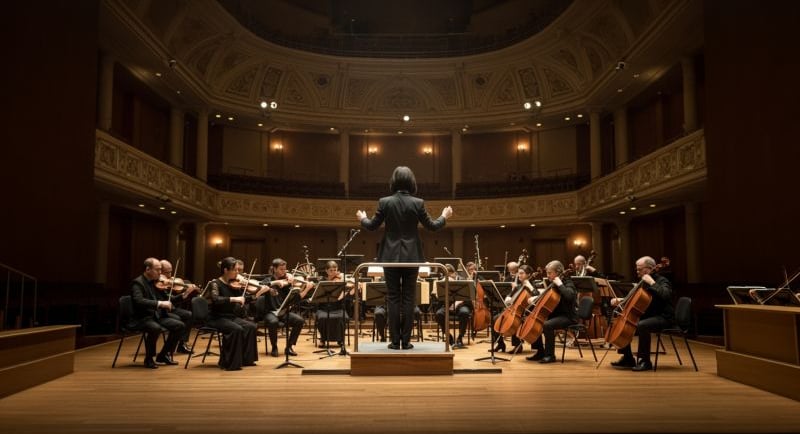
Great leaders do not try to play every instrument.
They lead like a conductor guiding an orchestra.
From the outside, a conductor stands at the front, shaping the tempo, alignment, and overall energy of the performance. It can look simple and effortless. In reality, it is the result of many hours of preparation, coaching, and refinement. Each musician is supported to master their role so the entire performance comes together in harmony.
Now imagine a different scenario.
A conductor keeps stepping into the orchestra. They move from one instrument to another, taking over the piano, then the cello, then the bass, trying to fix every detail themselves.
What happens next is predictable.
The musicians begin to feel undermined. Their confidence drops. The sense of unity starts to break down. The overall performance becomes weaker instead of stronger.
This is exactly what happens in many leadership environments.
When leaders constantly step in to do the work themselves, it sends a clear message of mistrust. It limits the growth of their team and reduces engagement. At the same time, it pulls leaders away from their most important responsibilities, which include setting direction, supporting people, and maintaining alignment across the organization.
Strong leadership is not about doing everything. It is about enabling others to perform at their best.
The real impact comes when leaders invest time early.
They coach their teams. They provide guidance and support. They focus on building capability and confidence.
Then they step back.
More importantly, they step into their true role at the front, creating clarity, trust, and space for others to succeed.
When people are trusted to own their work, they rise to the challenge. They contribute more fully. They bring out their best.
That is when exceptional results happen.
That is when leadership creates real value.