
Quarterly and Annual EOS Sessions Are Essential for Growth
Halfway through my May "Aussie Tour" one thing is obvious: quarterly and annual EOS sessions are essential. Whether your team is fully remote, hybrid, or in the same office every day, you still need to step out of the day to day and work on the business. Day to day you’re in the weeds. Urgent emails, customer issues, and last-minute demands pull everyone into firefighting. EOS sessions give you permission to pause, look back over the last 90 days, and be intentional about the next 90. They force clarity about priorities, refresh the numbers that matter, celebrate wins, and tighten accountability for what comes next.
Jeni Clift
5/26/20262 min read
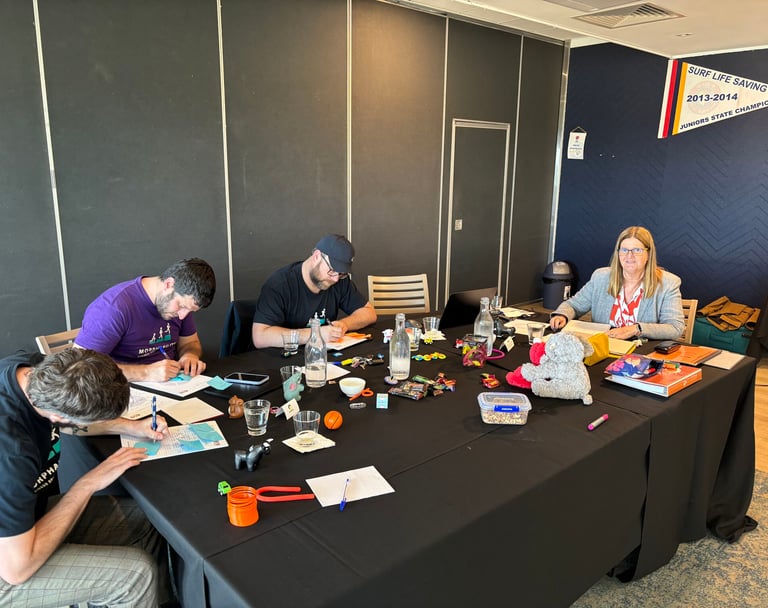
Halfway through my May "Aussie Tour" one thing is obvious: quarterly and annual EOS sessions are essential. Whether your team is fully remote, hybrid, or in the same office every day, you still need to step out of the day to day and work on the business.
Day to day you’re in the weeds. Urgent emails, customer issues, and last-minute demands pull everyone into firefighting. EOS sessions give you permission to pause, look back over the last 90 days, and be intentional about the next 90. They force clarity about priorities, refresh the numbers that matter, celebrate wins, and tighten accountability for what comes next.
Why these sessions matter
These sessions create real focus. When you put the time aside you stop reacting and start deciding. You get to sort what’s urgent from what’s important, reset goals so the whole team is moving in the same direction, and make explicit who owns what for the quarter ahead. That kind of alignment does not happen in the middle of a Tuesday sprint. It happens when everybody shows up ready to think about strategy, not just tasks.
How to run an effective session
Block the time and protect it on calendars so it can’t be bumped.
Treat the session as a priority meeting. Turn off notifications and remove distractions.
Bring the data that matters. Scorecards, financials, and concrete examples make conversations useful.
Be honest. The point is not to present the perfect story but to surface real issues so they can be solved.
Do not see this as an optional ritual. Treat it as part of running the business.
A quick, real example
I met a leadership team that spans NSW, Vic and SA. They rarely meet in person except for these planning sessions, maybe a conference or two. Yet when they come together, their alignment is striking. Watching them work through rocks, scorecards and priorities in one room made it clear why in-person time matters. It’s not just the formal agenda. Casual conversations, shared meals, and an afternoon barbecue with their families built trust that shows up in how decisions get made back at the office.
Those informal moments matter. They let people speak frankly, test ideas, and leave with a shared understanding that carries through the quarter.
A simple test for growth-minded teams
If you want a quick read on whether your team is serious about growth, ask how much protected time you are putting into quarterly and annual planning. If the answer is weak or vague, that’s a signal to change it. When was the last time your team truly stepped out of operational work to plan the next 90 days and beyond? If you can’t remember, schedule that session now, bring the right data, and come prepared to be candid about what needs to change.