What Healthy Leadership Teams Look Like in an EOS Quarterly Planning Session
A practical look at an EOS Quarterly Planning Session with Morphability Pty Ltd, highlighting Rocks, accountability, trust, and what healthy leadership teams need for business growth.
Jeni Clift
2/20/20263 min read
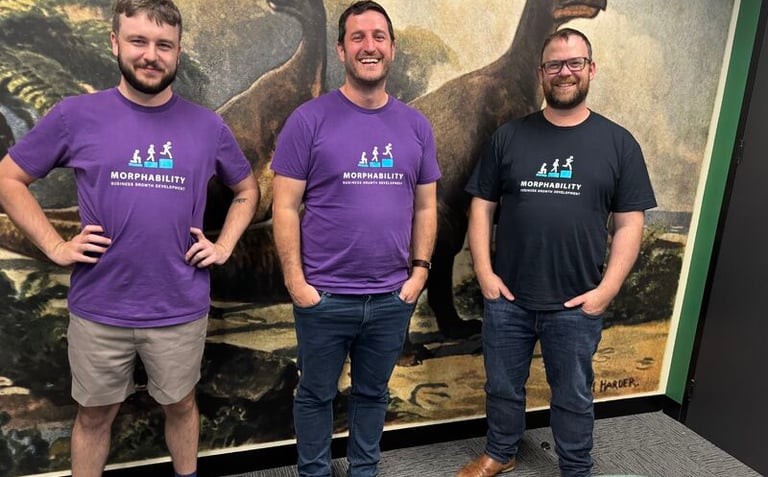
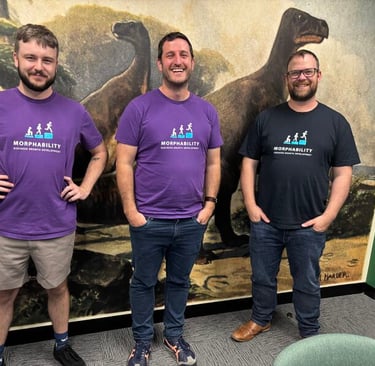
I am in the middle of an EOS Quarterly Planning Session today with the Morphability Pty Ltd Leadership Team, Aaron Smith, Brendan Rose, and Oscar Clift.
We were right in the middle of agreeing on our Rocks. Clear priorities. Strong debate. Good accountability. The kind of discussion that really matters because it shapes what gets attention over the next quarter and what does not.
In other words, real leadership team work.
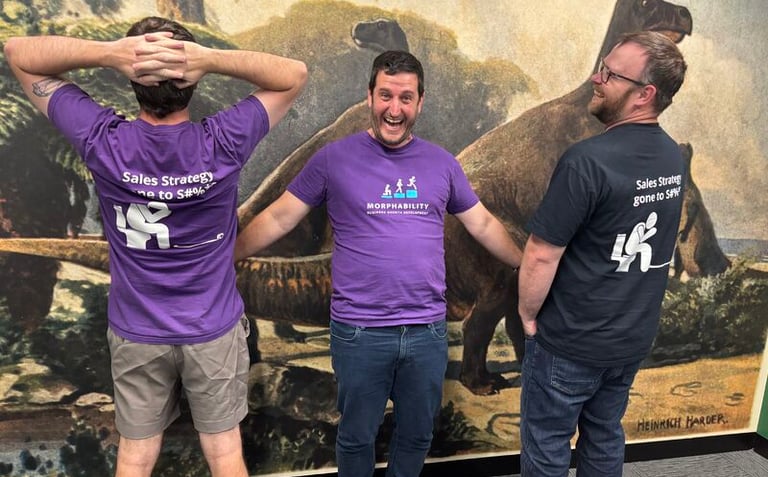
At one point, I suggested we pause for a quick photo to capture the moment.
It started professionally. Composed. Serious. Very much in the spirit of bringing some decorum to the meeting.
Then things shifted.
Let us just say decorum left the room very quickly, probably faster than an unowned issue in an IDS session.
Suddenly there were poses. Then variations of poses. Then the inevitable question, did you get that one?
And honestly, that moment says a lot.
Because while the photo started as a quick break in the day, it became a great reminder of what healthy leadership teams actually look like. Yes, they can do the serious work. Yes, they can wrestle with priorities, challenge each other properly, and hold the line on accountability. But they can also enjoy the process, laugh together, and bring real energy into the room.
That matters more than people sometimes realise.
When people think about an EOS Quarterly Planning Session, they often focus on the structure. And rightly so. The structure is important. Quarterly planning creates clarity. It helps leadership teams define their Rocks, align around priorities, review what is working, and confront what is not. It gives a business rhythm. It creates focus. It keeps everyone honest about what needs to happen next.
But structure on its own is not enough.
The strongest outcomes happen when structure is matched with trust.
That is when leadership teams can have the conversations they actually need to have. They can challenge each other without it becoming personal. They can debate important issues without losing momentum. They can commit to priorities because everyone has had a chance to contribute, question, and align.
That is what makes healthy leadership teams so powerful.
A healthy team does not avoid tension. It uses tension well. It knows how to work through disagreement in service of a better outcome. It is not trying to look polished for the sake of appearance. It is trying to get clear, solve issues properly, and move the business forward.
And when a team has that kind of health, you feel it in the room.
There is accountability, but not fear. There is energy, but not chaos. There is structure, but not stiffness. There is room for serious conversations and room for humour too.
That balance is incredibly valuable.
It is easy to assume that professionalism means everything has to be serious all the time. In my experience, that is not what creates the best leadership environments. The best leadership teams know when to focus, when to challenge, when to decide, and when to enjoy the moment. They know that doing important work and having fun are not opposites. In many cases, they are signs of a team that genuinely trusts one another.
That is exactly what stood out today.
We are now back to business, calmly locking in strategic priorities for the quarter. The work is clear. The conversation is grounded. The direction is taking shape.
And the energy in the room is still there.
That is one of the things I love most about facilitating EOS Quarterly Planning Sessions. You get to see leadership teams do the work that really counts. They identify what matters most. They commit to clear Rocks. They challenge each other in the right way. They strengthen accountability. And sometimes, in the middle of it all, they remind each other that business growth is built by humans, not robots.
That combination is where the magic happens.
Structure. Energy. Trust.
When those three things come together, leadership teams do better work. They make better decisions. They create stronger accountability. And they build the kind of business that can grow with clarity and confidence.
That is what healthy leadership teams look like.